Fears and opportunities of AI
New technologies bring a lot of opportunities, and a lot of uncertainty about the future. Is AI any different from previous technologies? Or similar?

It has been a while since I last sent out this newsletter. Things have been busy with coaching, fatherhood and learning (which I will share a lot more about in the upcoming newsletters).
One of the things I have been learning a lot about is AI and getting under the hood of what is going on. Here are my thoughts on potential of AI to take away our jobs.

Are We Running Out of Jobs? Or Just Getting Started?
Many of us worry about AI taking over jobs and leaving fewer opportunities for everyone. It's a fear that is possibly real and very understandable.
But does anyone really know the truth? No. So, it is not worth giving too much weight to anybody’s opinion here (including this post). However, it is worth listening to different opinions to see what you connect with and what you find likely.
Here is my opinion.
One thing I've learned from reading history (like Ray Dalio's Changing World Order) is that new inventions often lead to different kinds of jobs, not fewer. Yes, some current jobs are lost, but new opportunities emerge—often more than before. And what emerges is hard to predict or sometimes even imagine.
For example, during the Industrial Revolution, jobs like factory workers, engineers, and machine operators were created—roles that people before that time couldn't have imagined. Similarly, the rise of the internet in the late 20th century led to entirely new careers such as web developers, digital marketers, and cybersecurity experts. These are jobs that were unimaginable before these technological shifts.
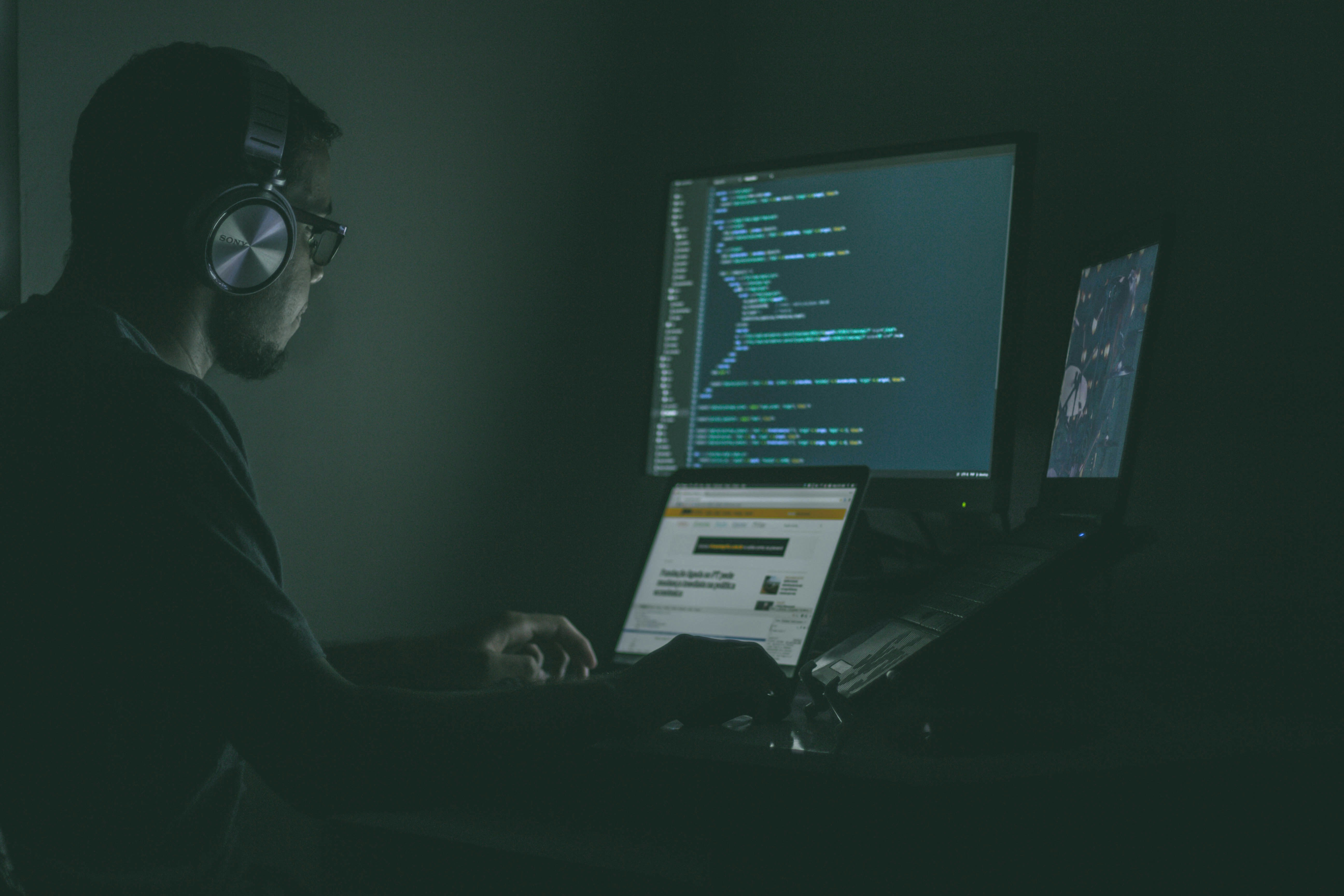
Jensen Huang, NVIDIA's CEO, talked about this in a podcast with Acquired. He said that increasing productivity usually leads us to do more, not less. People tend to find some way of doing more. History seems to agree with that.
And when asked about advice for young people, he said something that really resonated with me: "There is a lot of work to be done, and plenty of time to do it."
Paul Graham echoes a similar sentiment in one of his essays. People often think most things have already been invented, that the future won't bring big changes. But he reminds us there's a lot still to be done, and plenty of time to do it. Think long-term.
Is that just naive optimism? Possibly. I cannot know for sure. It is also true that it is easier to make fears concrete, and it is much harder to make imagination concrete. In the same spirit, optimism is cognitively harder, while pessimism is easier.
The fears around AI are understandable, but maybe we need a different perspective. Inventions bring change, yes—but they also bring new jobs, new possibilities, and newness in general. Sometimes, that uncertainty is what we are afraid of.
There is so much still to be done, and we have plenty of time.
What are your thoughts on this? Do you think AI is an opportunity or a threat?
A video about power of not knowing
The new power of AI makes us believe that knowing more is always good. But I have seen in my own experience and from working with people — more knowledge can sometimes create deeper bottlenecks. Here is a quick video to highlight this gap.
If you know anybody who would benefit from this article or publication, feel free to forward this email.
Thanks for reading.
Until next time, create consciously.
— Yogi | https://www.youtube.com/@YogiSharma